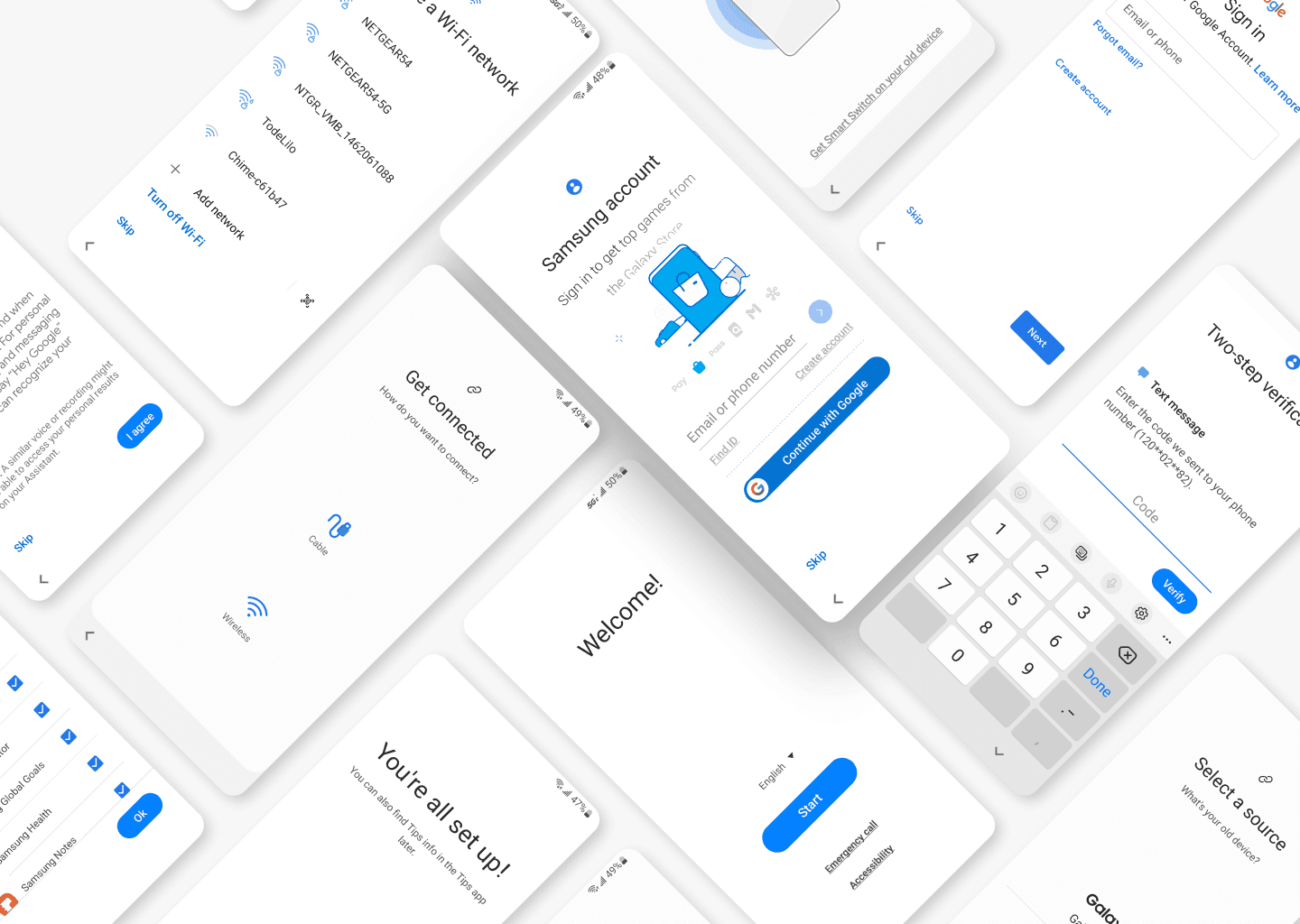
The customer problem
Setup is the first thing a customer does with a new Galaxy device. It runs the first time the device powers on, and again after a reset, and ends at the home screen. It has a lot of steps, and in the US, each carrier also adds its own required steps, often in the middle of Samsung’s flow. Every carrier that added a step made setup longer and less predictable. The goal was one flow that stayed short for customers and still met every carrier’s requirements and the platform’s technical limits.
My role
I owned the UX requirements that US carriers set for Samsung’s setup and onboarding, more than 100 across three flagship launches. I turned each requirement into flow and content changes, and brought them to Samsung’s HQ UX team and R&D. When a requirement conflicted with the core flow, I proposed a different placement or wording where I could. Other times, HQ or the PM made the call. I also tested each release on carrier devices before it shipped.
Design process
Each launch followed the same cycle: collect carrier requirements, map the flow, review with carriers and HQ, then test on devices.

Challenges
Some carrier steps conflicted with what we knew made setup smoother. Others were hard to support in the framework. Each one was a tradeoff between the carrier’s requirement, the customer’s time, and what R&D could build.
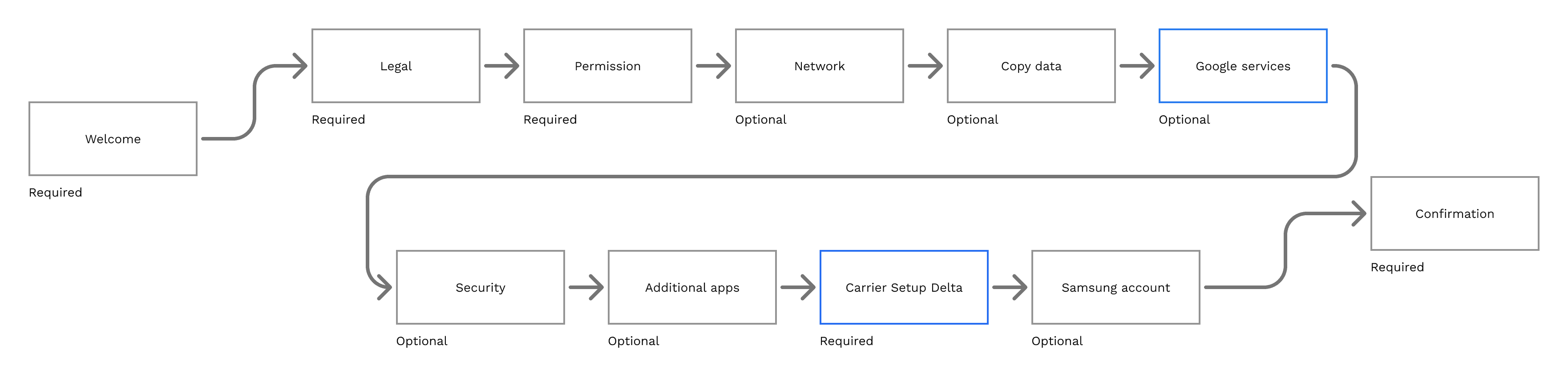
User flow
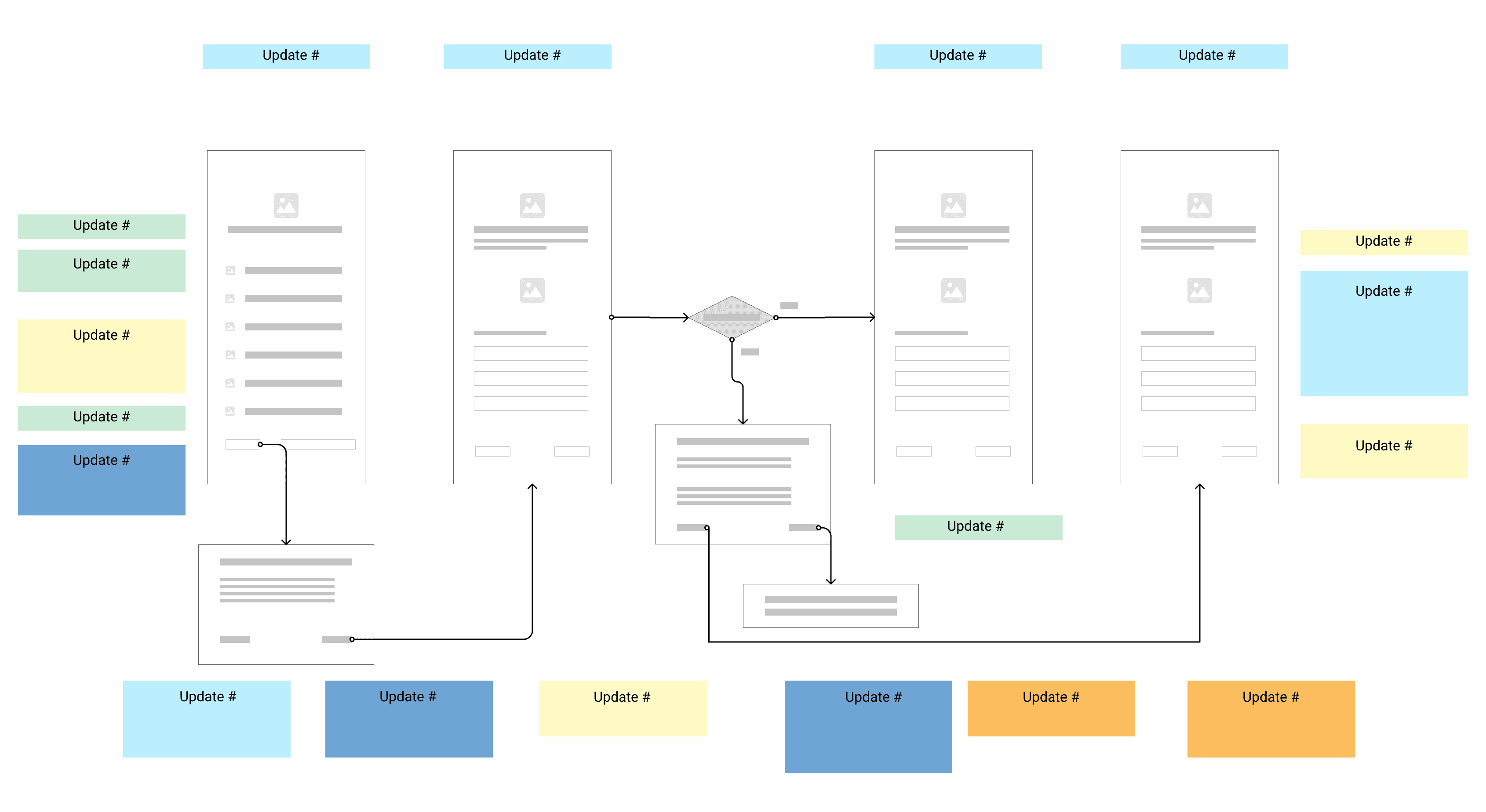
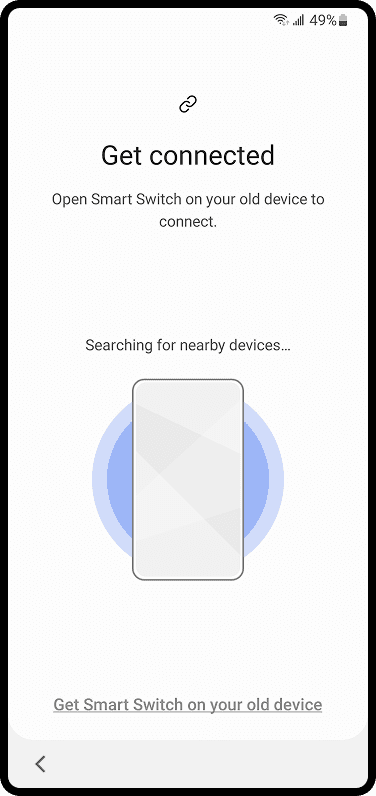
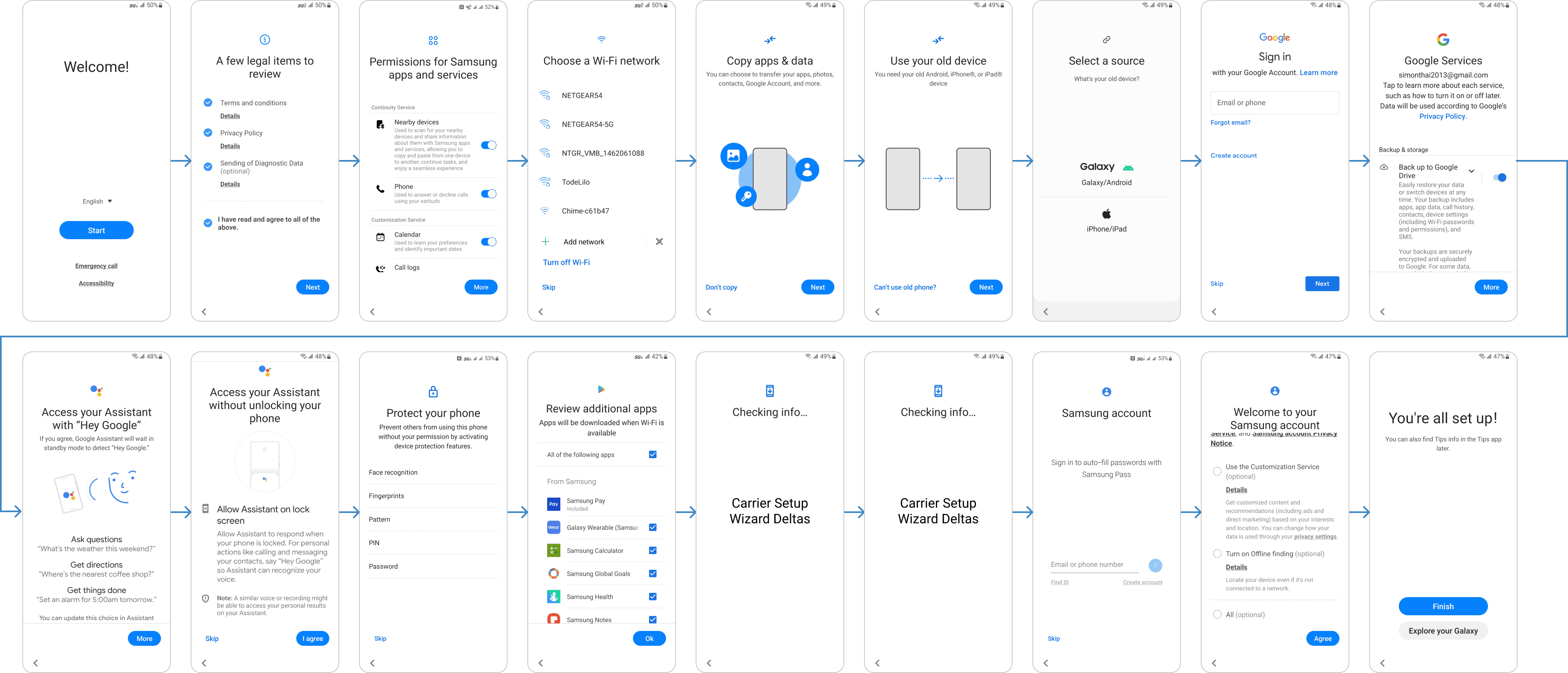
I mapped every step from power-on to the home screen, for each carrier. Side by side, the maps showed which screens depended on each other, where customers were likely to get stuck, and where carriers differed: network selection, privacy settings, and Samsung account sign-in. Carriers and Samsung teams used the map as the shared reference when deciding step order.
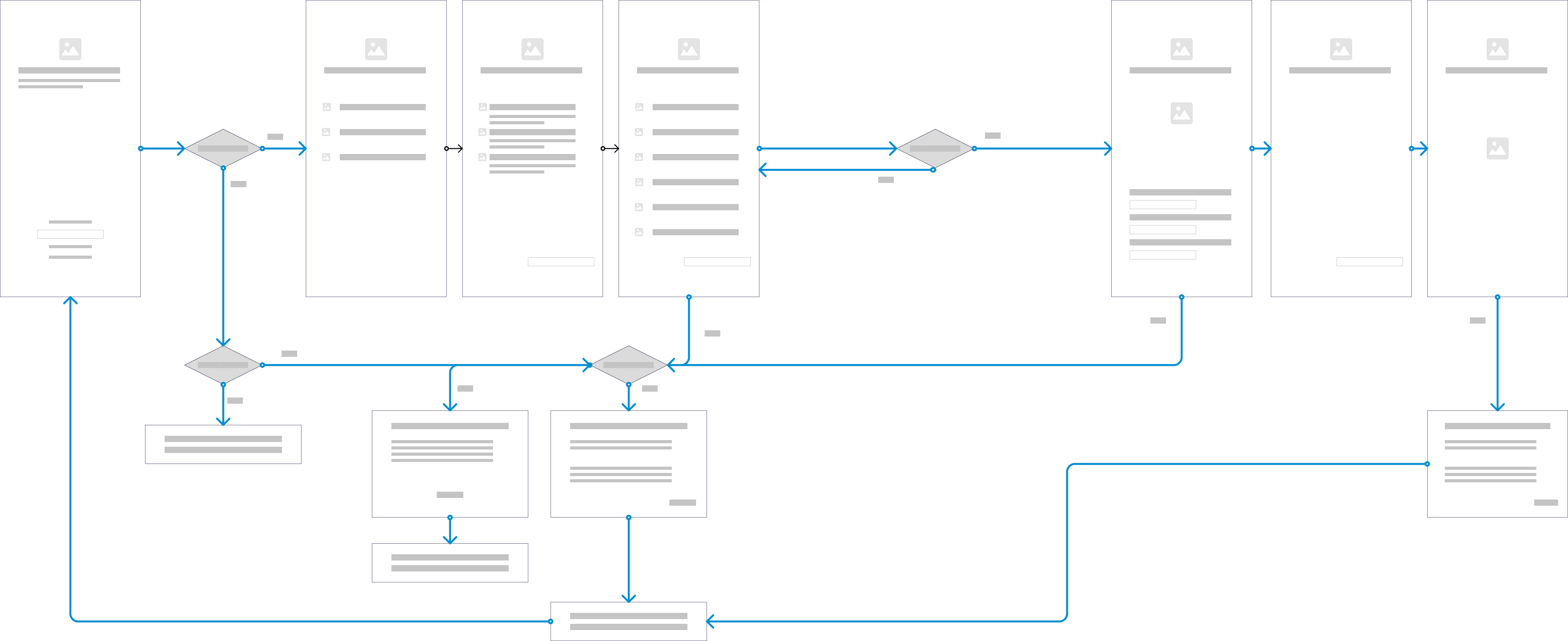
Predefined patterns
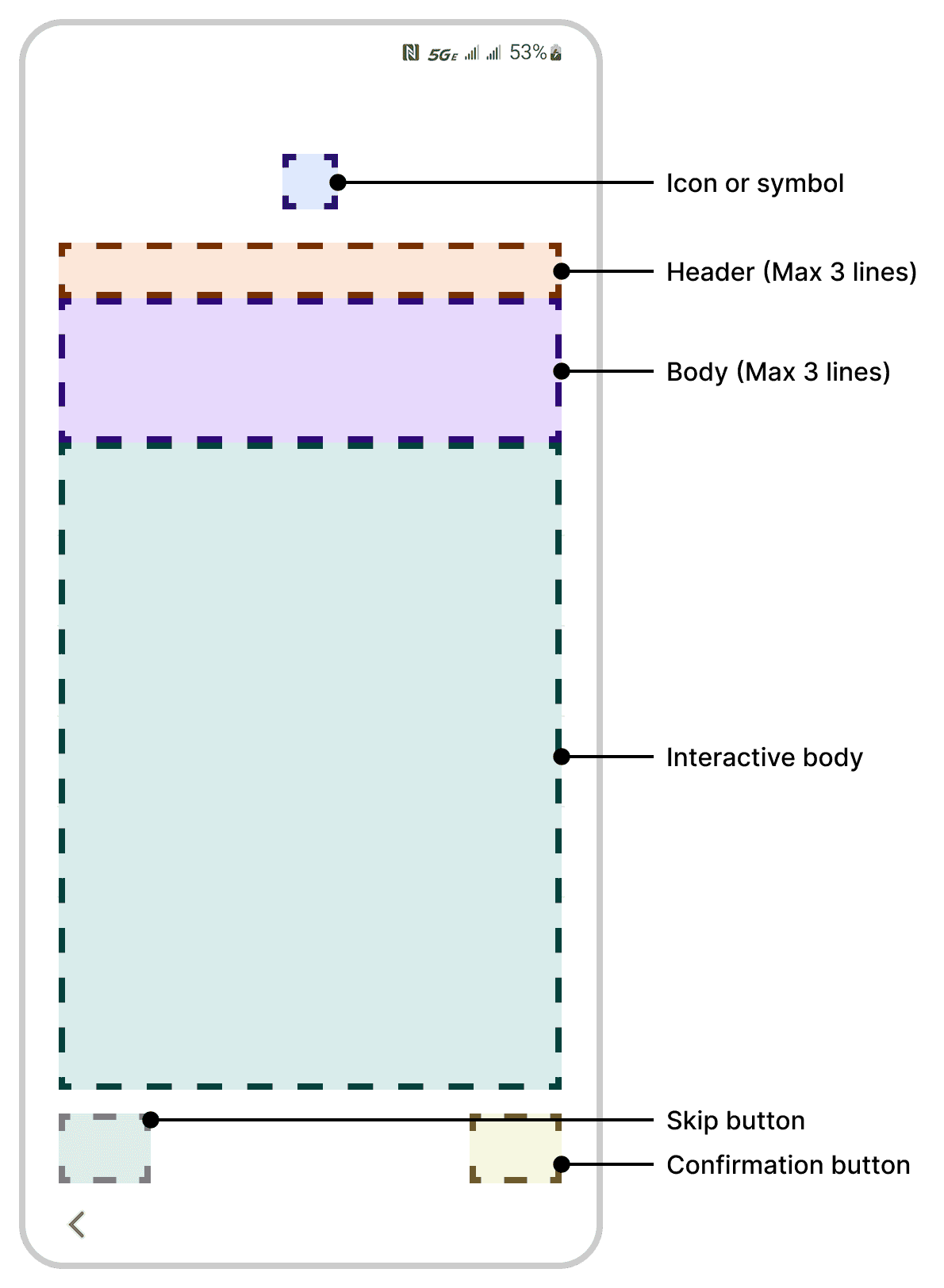
One UI’s standard onboarding framework left little room for custom UI. What I could change was content and step order. Each carrier’s UX team built its own screens, which plugged into set points in the flow as API packages. So the design work was deciding where those modules sat and what Samsung’s screens said around them.
Design reviews
Each version of the flow went through reviews with carrier partners, R&D, and Samsung’s design teams. I logged every piece of feedback, open question, and concern, and used the log to set requirements for the next version.
Tablets and watches
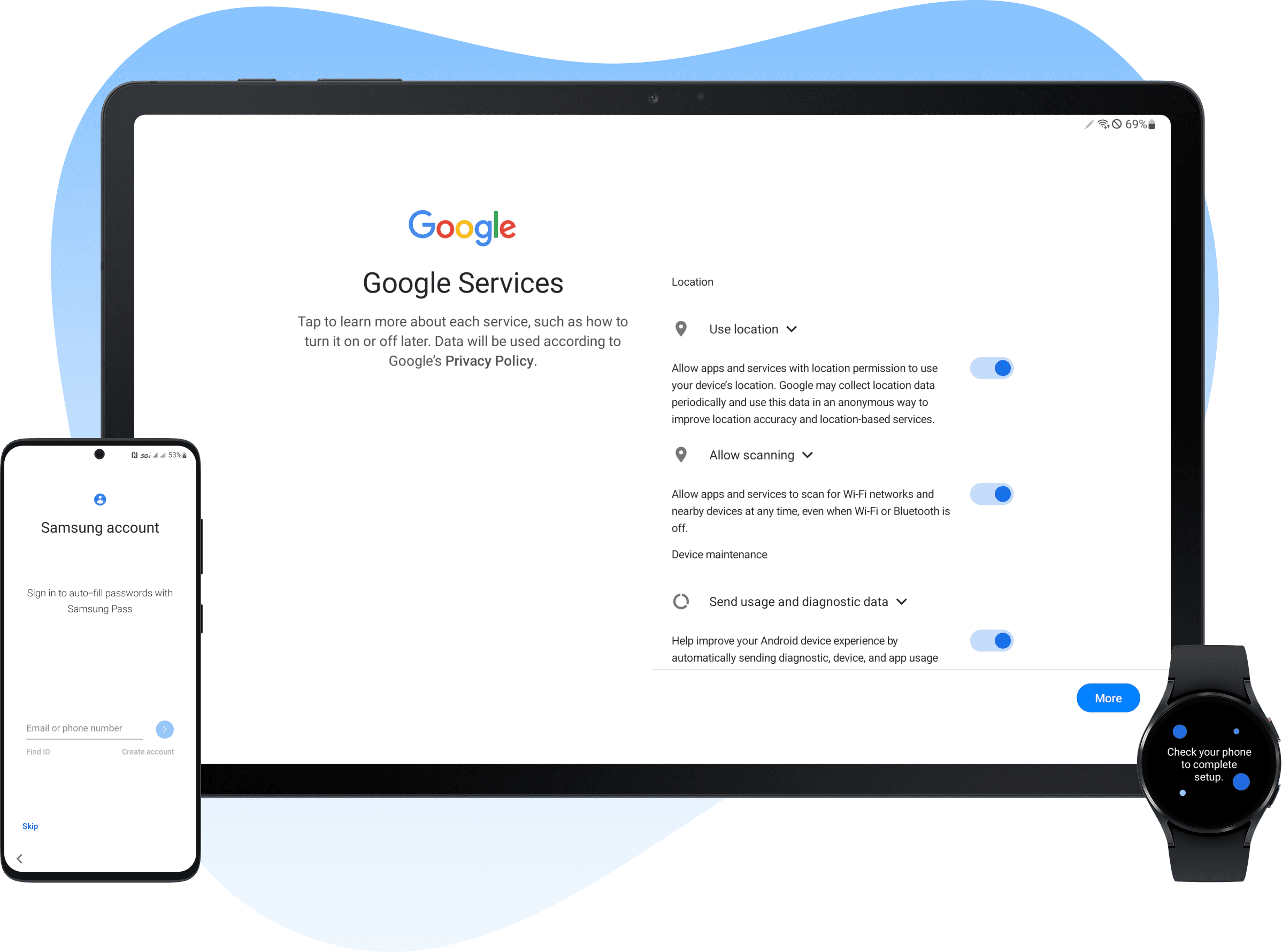
Tablets and Galaxy watches each have their own setup flow, built on the same core pattern as phones. I carried every carrier requirement and design update across all three device types, kept the shared steps the same, and changed only what each device needed.
Device testing
For every patch and release, I tested setup on each carrier’s devices against performance, compliance, and design requirements. Samsung’s NDA and device photography policy don’t allow images of this testing.
Final flow
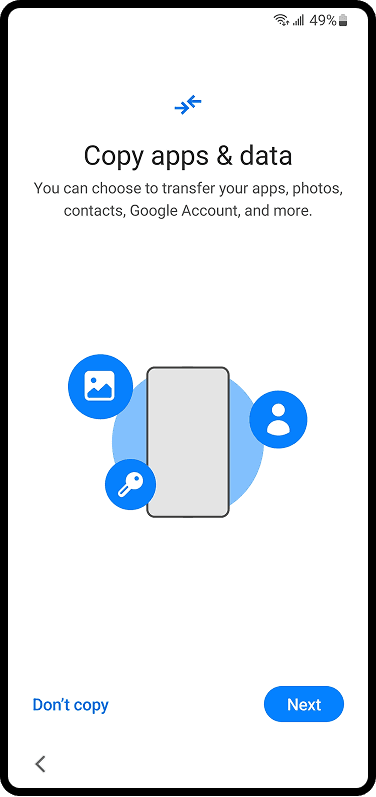
The final flow was modular: one core Samsung sequence, with set places for Android and carrier requirements, shared across phones, tablets, and watches. It had fewer decision points than the flow it replaced.
Impact
In internal device testing, setup took about 23% less time after we cut it to the essential steps, not counting data transfer.
Learnings
Early proposals were hard for stakeholders to judge when the customer benefit wasn’t obvious. They landed better when I opened with the problem and the data behind it, and showed the design last. A simple design can mean hard technical work. Learning how carriers and device makers hand work to each other taught me to propose changes that could ship inside the framework, not around it.